


Attacks on a key Saudi oil pipeline were launched from Iraqi territory, Iraq’s government said on Saturday, pledging to investigate further.
US President Donald Trump appeared to blame Iran for the attack that halted the pipeline.
Iraq closed two key border crossings with Iran, halting all passenger and commercial traffic until further notice, Iran’s state-run media reported on Saturday.
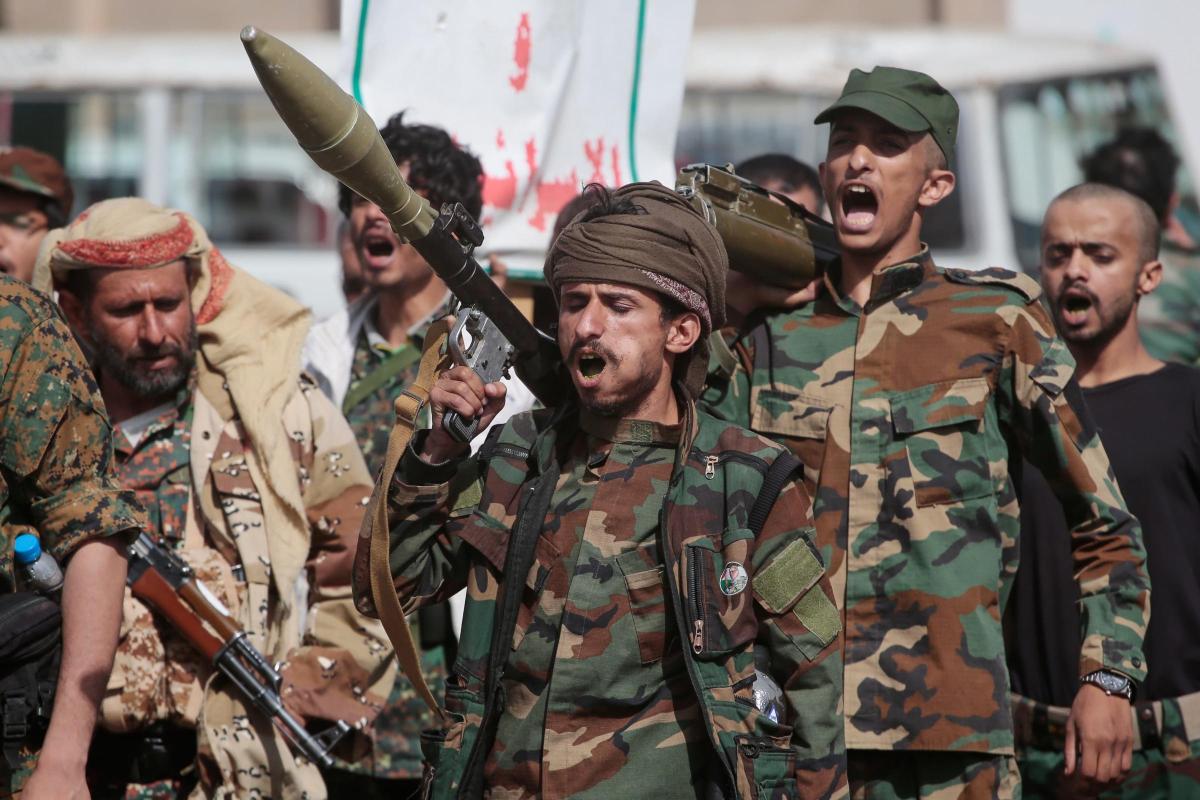
Meanwhile, fears mount that gas and oil prices may rise and international shipping could be further disrupted after Yemen’s Iran-backed Houthis seized a key island and captured a Red Sea port.

Asked by reporters whether he thought Iran was behind the attack on the Saudi pipeline, Mr Trump said: “Well, I think they are. Probably they are. You know, they’re on the balls of their feet right now. But I think they are.”
He also said his administration has “had discussions” with the Houthis, though he did not provide details on when those talks took place.
“The Houthis called us, and they don’t want to fight with us,” Mr Trump said. “They would much prefer not having us involved, and they’re letting most ships go through.”
Asked about a recent call with Saudi’s crown prince, Mr Trump said: “He’s a good friend of mine, and I can just say everything’s going to work out fine and dandy. It’s going to be very good.”
Prime Minister Ali al-Zaidi ordered an investigation into the operations command in Maysan province and dismissed its commander.

Saudi Arabia shut down the major, cross-country oil pipeline on Friday, saying it was a “precautionary measure”.
The Saudi foreign ministry blamed the attacks on several drones that came from Iraq and, in a statement, said the kingdom would not retaliate to give the Iraqi government “an opportunity to take the necessary measures”.
The East-West pipeline has been vital to Saudi Arabia’s continued oil exports in the months since the Iran war disrupted shipping in the Strait of Hormuz.
According to the International Energy Agency, Saudi oil exports through the Red Sea port at the pipeline’s end have more than doubled since the Iran war erupted.
Tehran-backed Iraqi militias have launched attacks on US-linked targets both inside and outside of Iraq since the US and Israel attacked Iran on February 28 and have co-ordinated with Yemen’s Houthi rebels to attack Saudi Arabia.
Crude prices this week soared again above 100 dollars a barrel, giving Tehran more leverage in any talks.
Analysts worry that the Houthis’ seizure of Yemen’s port city of Mokha may create further complications for shipping on the Red Sea and raise oil prices.
Valiollah Hayati, the deputy governor of Iran’s southwestern Khuzestan province, said Iraqi officials had announced the closure of the Shalamcheh and Chazabeh crossings.
Mr Hayati urged traders, drivers and travellers not to approach the crossings until further notice.
Shalamcheh and Chazabeh are among the main official border crossings between Iran and Iraq.
Iran’s President Masoud Pezeshkian and the United Arab Emirates’ President Sheikh Mohamed bin Zayed Al Nahyan held talks on the sidelines of the Brics summit in New Delhi on Saturday, signalling efforts by the two regional powers to maintain diplomatic engagement despite growing instability across the region.
The leaders discussed regional and international issues, de-escalation, stability, and efforts to advance regional peace and development, a UAE government statement said.


Share